Why a Pizza Restaurant Is a Timeless Dining Choice

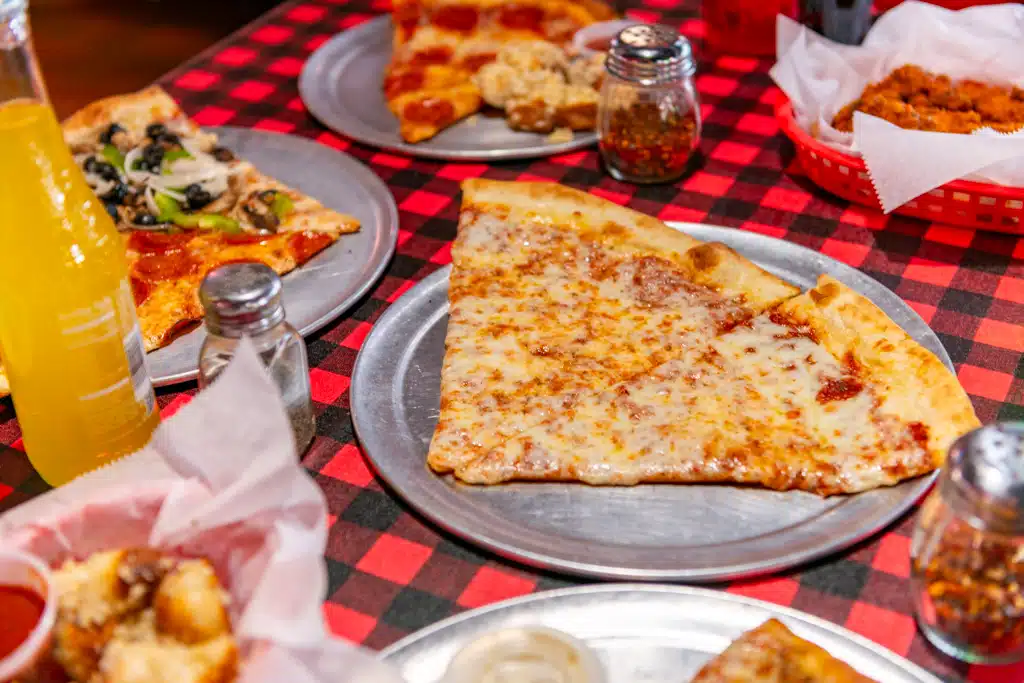
There are restaurants people visit for novelty, and there are restaurants people return to for years. A good pizza restaurant belongs firmly in the second group. It does not rely on trends, gimmicks, or a narrow occasion. It serves families after soccer practice, office teams after a long day, couples on an easy Friday night, and travelers looking for something dependable in an unfamiliar neighborhood. Few dining formats handle that range as well.
That staying power is not an accident. Pizza sits at a rare intersection of comfort, flexibility, value, and pleasure. It can be humble or ambitious, quick or leisurely, familiar or regionally distinct. It works for a table of two and for a room of twenty. It satisfies children without boring adults, and it leaves enough room for craftsmanship that experienced diners still have something to appreciate.
Anyone who has spent time around the hospitality business learns that timelessness is usually built from practical strengths. Guests return to places that solve real dining problems while still feeling enjoyable. A pizza restaurant does exactly that, often better than more fashionable concepts that burn bright and then disappear. The reasons are visible not just on the menu, but in the rhythm of service, the economics of a meal, and the emotional role food plays in everyday life.
It meets people where they are
One reason pizza endures is simple. It fits the way people actually live. Not every meal is a celebration, and not every dinner needs to prove something. Most people are juggling work, family schedules, budgets, and changing appetites. They want food that feels generous, easy to share, and broadly appealing without being bland. Pizza answers that need cleanly.
A pizza restaurant can absorb almost any kind of evening. Parents with tired children can get fed quickly. Friends can linger over a second pie and another round of drinks without feeling rushed into expensive entrées. A couple can split a salad, a pizza, and dessert and still have a meal that feels complete rather than compromised. Even solo diners, especially in neighborhood spots, often find a place at the bar or a small table where a personal pizza and a glass of wine feel entirely natural.
That flexibility matters more than many operators admit. Some dining formats work beautifully when the plan is specific. Steakhouses shine for business dinners and anniversaries. Tasting menus suit diners looking for theater and precision. But the ordinary middle of the week belongs to restaurants that adapt gracefully to mixed needs. Pizza does that with unusual confidence.
It also crosses age groups without forcing anyone to settle. That is harder than it sounds. Plenty of restaurants can attract children, but adults endure them rather than enjoy them. Other places appeal to adults while making younger diners feel like an afterthought. A strong pizza restaurant narrows that gap. A six year old may be delighted by a plain cheese pie, while the adults at the same table order one with fennel sausage, roasted peppers, anchovies, or hot honey. Everyone eats together, and no one feels like the menu was designed for somebody else.
Familiarity does not mean sameness
The most durable foods are often the ones people think they already understand. Bread, soup, noodles, roast chicken, and pizza all fall into that category. Familiarity draws people in, but variation keeps the experience alive. That balance is one of pizza’s great strengths.
Walk into ten different pizza restaurants and you may find ten different philosophies. One house leans into blistered Neapolitan pies with a soft center and leopard-spotted crust. Another serves sturdy New York style slices that fold cleanly and hold their structure. Another still specializes in square pan pizzas with crisp edges and caramelized cheese along the rim. In some regions, thin tavern cut pies dominate. In others, a deeper, richer style feels more at home.
These are not trivial differences. They shape pacing, portion expectations, ingredient choices, and even the social mood of the meal. A quick slice at a counter has a different energy from a sit down dinner built around several pizzas arriving in waves. Yet both belong within the same broad dining tradition. That gives pizza remarkable resilience. It can evolve with local taste and owner identity without losing its core appeal.
From an operator’s point of view, this adaptability is part of why the category stays relevant. A chef can express skill through dough fermentation, flour selection, sauce balance, cheese blending, oven management, and seasonal toppings. The guest may simply say the pizza tastes great, but a lot of judgment sits behind that reaction. Experienced diners notice the details even when they do not name them outright. They know when a crust has real flavor instead of just texture. They know when a tomato sauce is bright rather than sugary. They know when the pie arrives with structure intact rather than collapsing into grease.
That room for craftsmanship gives the pizza restaurant cultural depth. It is not just convenient food. At its best, it is a serious culinary form that remains accessible.
Sharing is built into the meal
Very few restaurant formats encourage togetherness as naturally as pizza. The food arrives at the center of the table. People reach, comment, trade slices, ask for one more pie, and negotiate combinations. The meal becomes participatory without becoming formal. That dynamic matters.
Shared food changes the tone of a dinner. It lowers the stakes. No one is trapped with the wrong entrée. Nobody waits awkwardly while one plate takes longer than another. Guests can keep talking because the meal does not demand a performance of individual ordering and individual consumption. A pizza restaurant often feels more relaxed for that reason alone.
This is especially valuable for groups that are hard to please uniformly. Consider a team dinner with six coworkers who barely know one another. A prix fixe menu can feel stiff. A place built entirely around burgers may exclude the colleague who avoids red meat. A pizza restaurant offers a softer landing. Most menus include vegetarian options, often gluten conscious alternatives, salads, simple starters, and enough range that people can participate without a long negotiation.
The social ease of pizza also explains its role in milestones that are meaningful but not ceremonial. Birthday dinners for teenagers, moving day meals, post game gatherings, first apartment celebrations, and last minute family reunions often end up at a pizza restaurant because the format understands informal joy. It offers abundance without excessive formality, which is exactly what many occasions need.
Value is not just about price
People often describe pizza as affordable, and that is true in a broad sense. But price alone does not explain its staying power. The deeper point is value. Diners tend to judge value through several filters at once: portion size, quality, speed, comfort, and whether the meal feels satisfying relative to what was spent. Pizza performs well on all of them.
A single pie can feed several people. Add a salad, perhaps an appetizer, and the table has a full meal without the financial jump that often comes with individual entrées. Even when a restaurant uses premium ingredients and prices accordingly, diners still tend to perceive the meal as generous. The center of the table looks full. The aroma lands immediately. The leftovers often carry real value the next day, which should not be underestimated. Plenty of foods decline badly overnight. Good pizza often remains enjoyable, and sometimes develops a second life in a skillet or hot oven.
This value proposition becomes even more important during periods when people watch spending closely. When households trim restaurant visits, they usually do not stop going out altogether. They become more selective. https://gunnerkzbs134.cloudhinter.com/posts/why-a-pizza-restaurant-is-the-go-to-spot-for-celebrations Concepts that feel overpriced or overly precious lose traffic first. A pizza restaurant is often better positioned because guests can still have a satisfying evening without turning the meal into a budget stress point.
That said, value does have limits. If a restaurant relies on low prices while neglecting quality, the timeless appeal fades fast. People will forgive simplicity. They will not forgive careless dough, limp crust, watery toppings, or chaotic service for long. The category is competitive precisely because the baseline is so familiar. Guests know what competent pizza tastes like. To earn loyalty, a restaurant has to exceed that baseline in some meaningful way.
The craft behind the comfort
The easiest mistake to make with pizza is to underestimate how technical it is. Because the finished product feels casual, people assume it is straightforward. In reality, consistency in a pizza restaurant depends on disciplined systems and informed judgment.
Dough alone can separate forgettable places from memorable ones. Fermentation time changes flavor, extensibility, and digestibility. Hydration affects handling and oven spring. Salt matters not only for taste but for dough strength. Temperature control during mixing, proofing, and service determines whether the kitchen fights the dough all day or works with it. Then there is the oven itself. Wood, gas, electric deck, conveyor, and hybrid systems each create different possibilities and constraints. A pie that shines in a blazing hot Neapolitan oven would need rethinking in a lower temperature deck setup.
The best operators understand where precision matters and where instinct should take over. A skilled pizza maker can often tell from touch whether a dough ball needs more bench time, whether the room’s humidity is changing the flour balance on the peel, or whether a sauce needs restraint because the mozzarella is releasing more moisture that day. Diners may never see those decisions, but they feel the results.
Ingredient discipline matters too. Pizza is exposed food. A bad topping cannot hide. If mushrooms are waterlogged, the pie suffers. If cured meat is too thickly sliced, it overwhelms every bite. If basil is added too early, it blackens and loses its freshness. Even cheese usage requires control. Many disappointing pizzas fail not because they have too little cheese, but because they have too much. Excess fat drowns the crust and mutes the sauce.
This is one reason pizza remains respected across casual and serious dining circles. It rewards attention. The best pizza restaurants make food that seems effortless only because a lot of real effort has already happened.
It invites local identity
For a food with global reach, pizza adapts unusually well to place. A neighborhood pizza restaurant often becomes a reflection of the community around it. The menu, room design, service style, and even operating hours start to mirror local habits.
In a dense city neighborhood, the restaurant may thrive on lunch slices, late night traffic, and quick turnover. In a suburb, family dinners and takeout might define the business. In a small town, the pizza restaurant often functions almost like a public square, a place where sports teams gather, teachers bump into parents, and regulars know which booth they prefer. That local embeddedness is part of the format’s longevity. People do not only patronize these places for food. They fold them into their routines and memories.
There is also room for regional sourcing and seasonal change without making the menu feel unstable. Sweet corn in late summer, wild mushrooms in autumn, asparagus in spring, local sausage year round, these additions can keep the restaurant fresh while preserving its identity. Pizza is broad enough to hold those variations without confusing guests. A place can stay recognizable and still feel alive.
The restaurants that endure often understand this balance intuitively. They do not chase every trend, but they are not static either. They know when to keep the beloved pepperoni pie exactly as it is, and when to introduce a special that reflects what is happening in local markets. That kind of judgment is harder than constant reinvention, and usually more valuable.
It works across service models
Another reason a pizza restaurant remains a durable dining choice is operational versatility. Many foods lose quality quickly once they leave the kitchen, or they require plating and timing that do not travel well. Pizza is one of the few restaurant items that can perform in several service models with relative strength.
A full service dining room can build a warm, hospitable experience around pizza. A quick service shop can move guests efficiently. Delivery and takeout, while never identical to eating a pie straight from the oven, remain viable in ways that many cuisines cannot match. This has real importance for both business resilience and customer habit. If guests can dine in when they want a social evening and order from the same restaurant when life gets hectic, the bond with that place deepens.
The last several years have made this flexibility even more visible. Restaurants with a product that traveled reasonably well had an easier time maintaining continuity when dining behavior shifted. Pizza was not immune to pressure, but it held advantages. Boxes stack. Portions share easily. Leftovers matter. The category proved again that it can serve both hospitality and practicality.
Still, not every pizza travels equally well. Thin crust can lose crispness in a steamy box. Delicate greens wilt. Fresh burrata changes texture. Smart operators build menus around those realities. They know which pies are best eaten in house and which remain strong for delivery. That kind of honesty protects reputation. Guests remember when a restaurant respects the difference between ideal and acceptable.
A short look at what people really want from dinner
When diners choose where to eat repeatedly, their priorities are usually more grounded than restaurant marketing suggests. They tend to want a combination of comfort, competence, and ease. A pizza restaurant often satisfies all three.
- Comfort, because the food feels familiar without being dull.
- Competence, because even a simple pie reveals whether the kitchen knows its craft.
- Ease, because the format makes ordering, sharing, and budgeting straightforward.
- Flexibility, because different ages, appetites, and dietary preferences can usually meet in the same meal.
- Pleasure, because melted cheese, baked dough, and balanced acidity remain deeply satisfying.
Those qualities may sound obvious, but obvious things drive repeat business. Restaurants do not become timeless by being abstractly admired. They become timeless by fitting real human behavior again and again.
The emotional pull is stronger than critics often admit
There is a tendency in some food conversations to undervalue foods associated with casual dining. Pizza suffers from that occasionally. Because it is common, people mistake it for simple comfort stripped of meaning. Yet anyone who has watched a neighborhood dining room on a busy weekend knows better.
A pizza restaurant often holds a quiet emotional charge. It is where many people celebrate small wins. It is where families go when nobody has energy to cook but still wants to sit together. It is where teenagers test out independence with a few dollars and a shared pie. It is where visiting relatives can be hosted without stress. Food culture is not built only in grand dining rooms. It is built in repeatable places where life keeps happening.
Some of the most loyal restaurant habits form this way. Not through one spectacular meal, but through twenty good ones that fit the moment. Over time, the restaurant becomes part of personal history. Guests remember the booth where a child learned to eat crust first, the table where a college acceptance was celebrated, the rainy night when a hot pizza fixed a terrible week. These memories are not sentimental extras. They are central to why certain dining formats endure.
What separates a lasting pizza restaurant from a forgettable one
Timelessness does not attach automatically to any business that serves pizza. Plenty of places open with strong initial traffic and fade because they confuse broad appeal with guaranteed loyalty. The enduring restaurants tend to get a few fundamentals right.
First, they respect the basics. Dough, sauce, cheese, bake, and timing are nonnegotiable. Fancy toppings cannot rescue weak foundations.
Second, they create a room people want to return to. That does not require expensive design. It requires comfort, cleanliness, sensible acoustics, and service that feels attentive without becoming theatrical. Some of the best pizza restaurants are modest spaces with worn floors and excellent lighting. The point is not polish for its own sake. It is ease.
Third, they understand pace. Pizza should not feel dragged out, but it also should not feel shoved at the table without rhythm. Good operators know when to fire a second pie, when to clear plates, and when to leave guests alone.
Fourth, they price with self awareness. Guests will pay more for quality, but only if the experience makes sense. If a restaurant wants premium pricing, every touchpoint has to support it, from ingredients to service to consistency.
Finally, they remain recognizable. Diners build trust through repetition. Seasonal features and thoughtful changes are welcome, but the core identity must stay intact. People come back because they know what the restaurant stands for.
Why it is likely to stay timeless
Dining trends will continue to swing. Concepts will rise around health claims, novelty formats, imported aesthetics, and social media visibility. Some will deserve their moment. But the formats that last are usually the ones with structural strengths, not just fashionable appeal. Pizza has those strengths in abundance.
It is satisfying without being exclusive. It allows skill without requiring pretense. It supports gatherings without forcing ceremony. It offers value without surrendering quality. It can belong to a city block, a suburban strip, a college town, or a resort district and still make sense in each setting. Most importantly, it meets diners in the emotional middle ground where everyday life actually happens.
That is why a pizza restaurant remains such a reliable choice, year after year. Not because it is the loudest option, but because it continues to deliver what diners need and what they remember. Great restaurants often earn their reputation through excellence. Timeless ones add something harder to define. They become woven into the habits of a place. A well run pizza restaurant has been doing that for generations, and there is every reason to think it will keep doing so.
RUFFRANO'S HELL'S KITCHEN PIZZA Security
385 Main St, Colorado Springs, CO 80911
(719) 390-4355
FAQ About pizza restaurant
Is there a Hell's Kitchen pizza restaurant in Security-Widefield?
Yes. Ruffrano's Hell's Kitchen Pizza has a Security-Widefield location at 385 Main St.
Where can I find pizza delivery in Security-Widefield?
Ruffrano's Security location offers online ordering. Enter your address at checkout to check delivery availability and fees.
Where can I find gluten-free pizza in Security-Widefield?
Ruffrano's menu lists a 12-inch gluten-free option. Call the Security location to confirm availability and ask about shared equipment if cross-contact is a concern.